VOLLEYBALL
Four years of training, trust, and teamwork
ROLE
School and Club Volleyball Player
DURATION
October, 2021 - Present
TEAm
Saint Margaret's Junior Varsity
Tstreet Volleyball Club
ACHIEVEMENT
Phoenix Volleyball Festival Division Winner

A Long-Term Commitment
Progress built through repetition
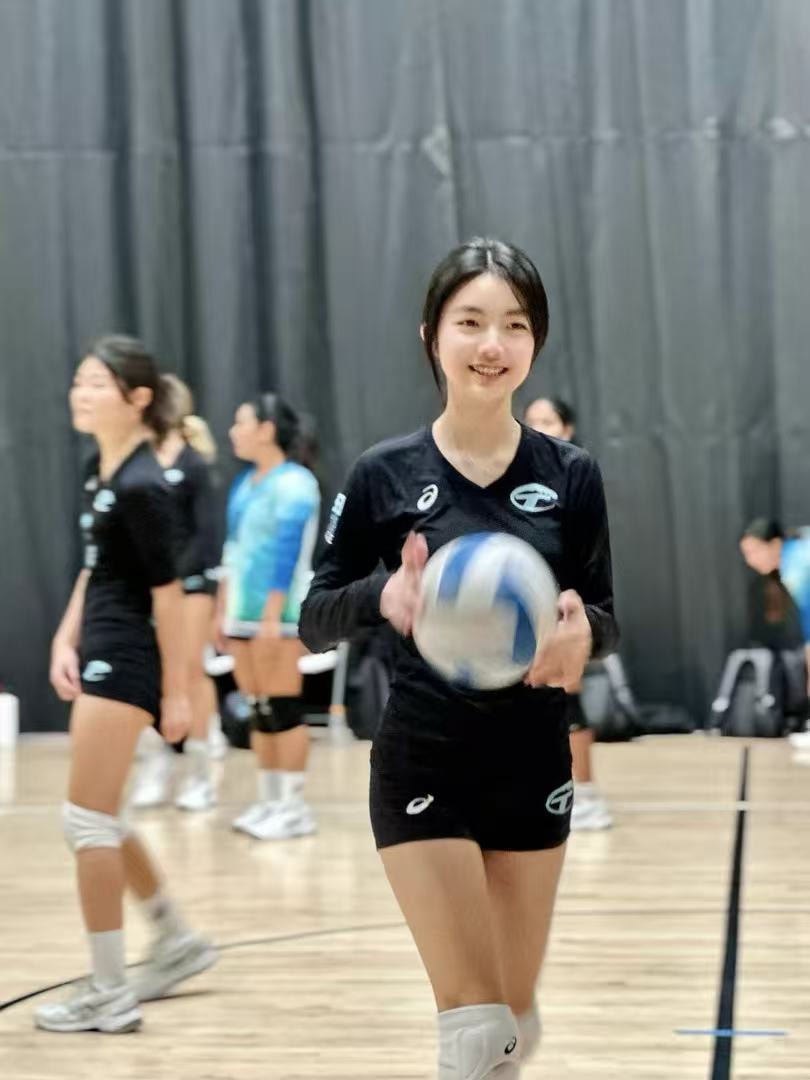
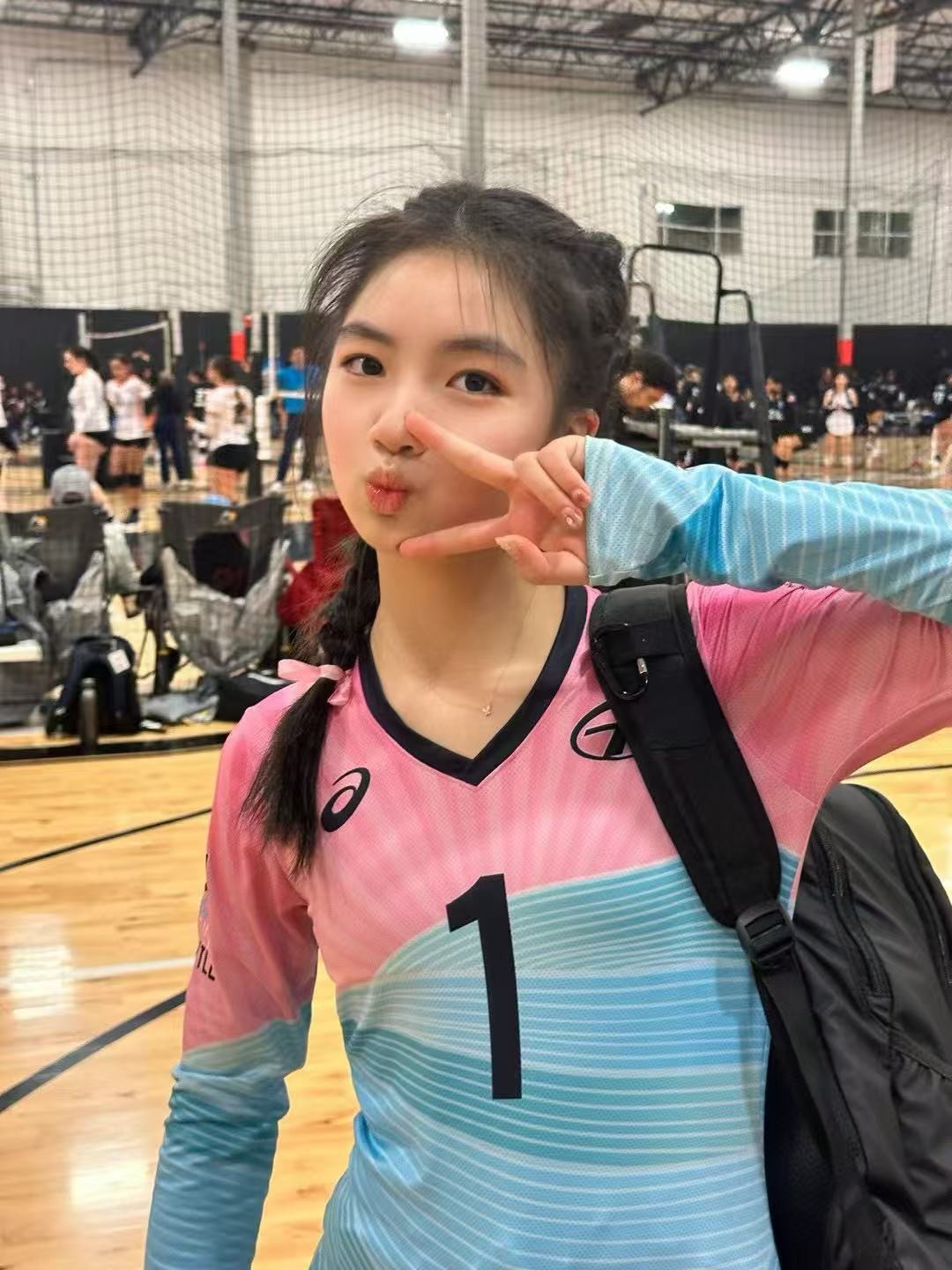
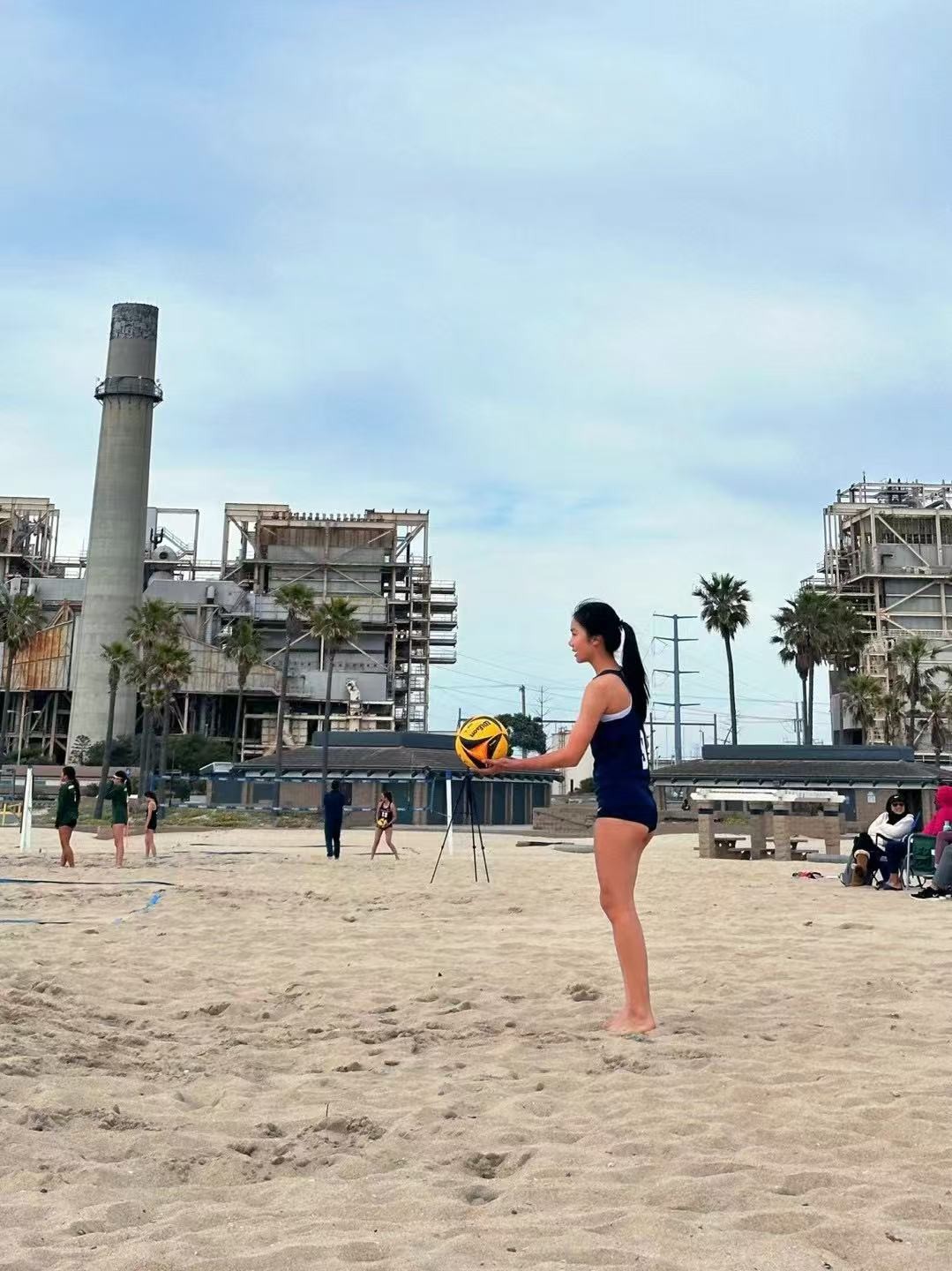
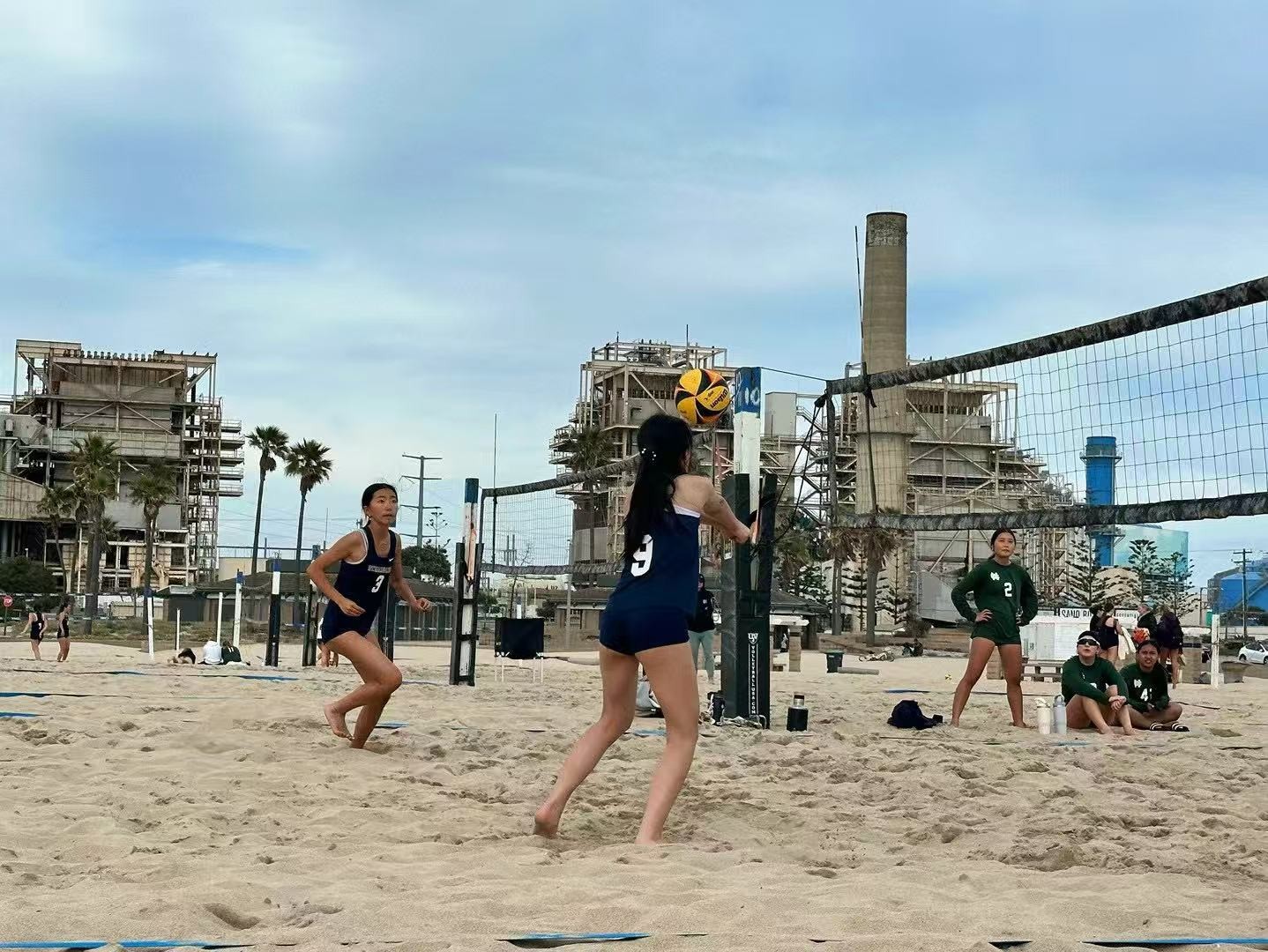
Volleyball has been part of my life for four years across school, club, tournament, and outdoor settings. Improvement rarely arrived through one dramatic moment. It came from repeating the same movement, noticing a small error, and returning to practice with greater control. Training taught me to accept that progress can be uneven: a skill that feels reliable one week may break down under pressure the next. Instead of treating that inconsistency as failure, I learned to use it as information. Playing for Saint Margaret's Junior Varsity and Tstreet Volleyball Club also exposed me to different teammates, coaching styles, and competitive environments. Adapting to each setting made me more attentive to the expectations around me and more responsible for my own preparation. The experience has made persistence feel practical - not simply continuing, but continuing with enough awareness to change how I work.
Training & Skill Development
Building reliability before competition
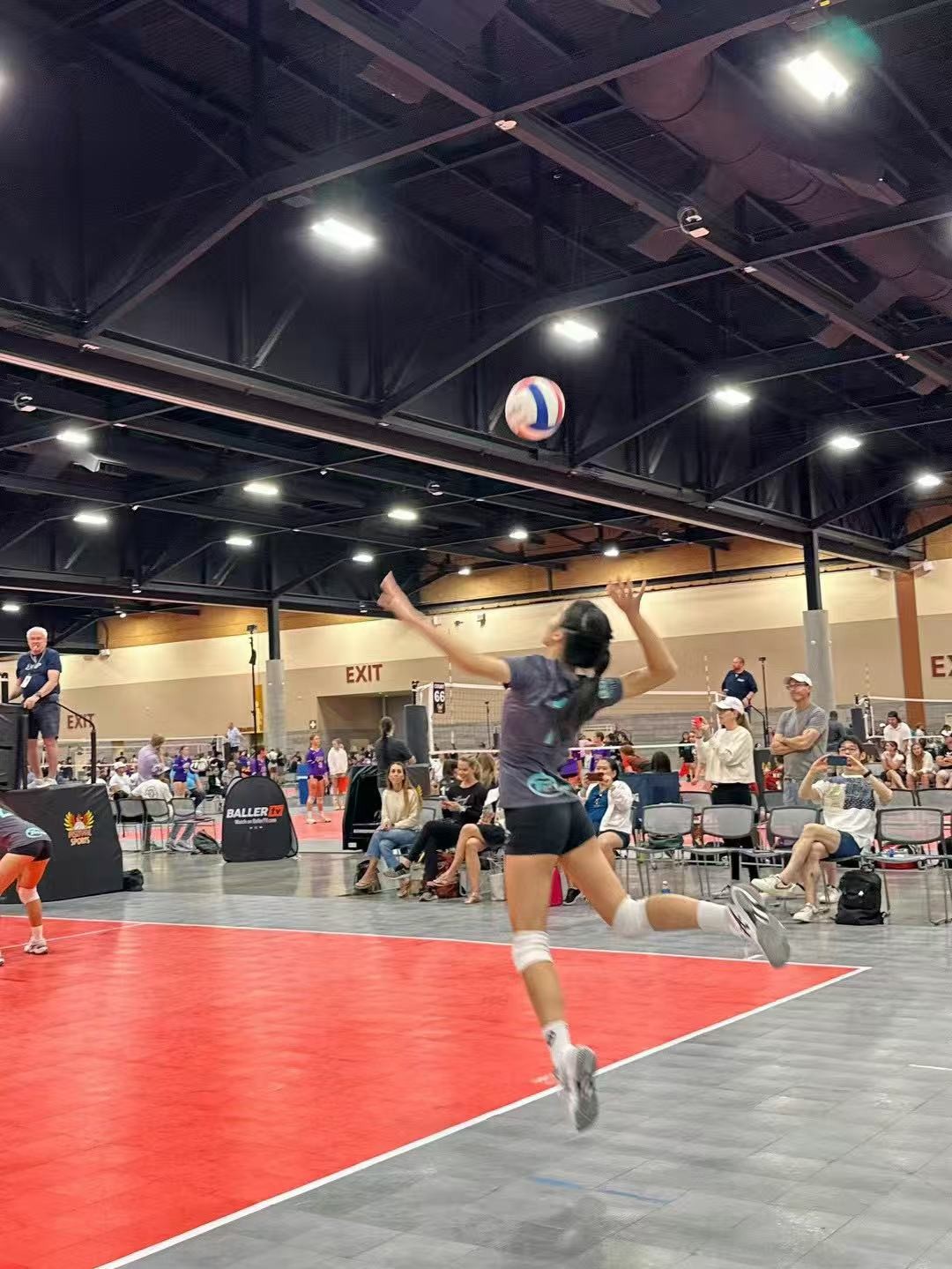
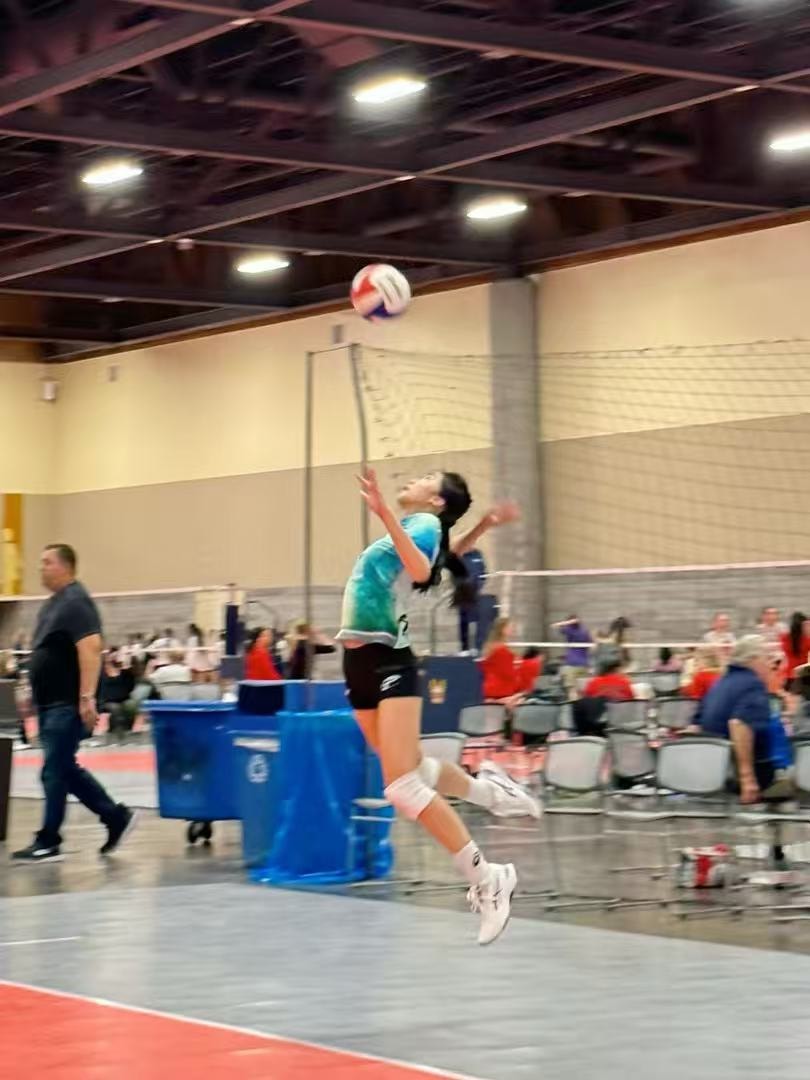
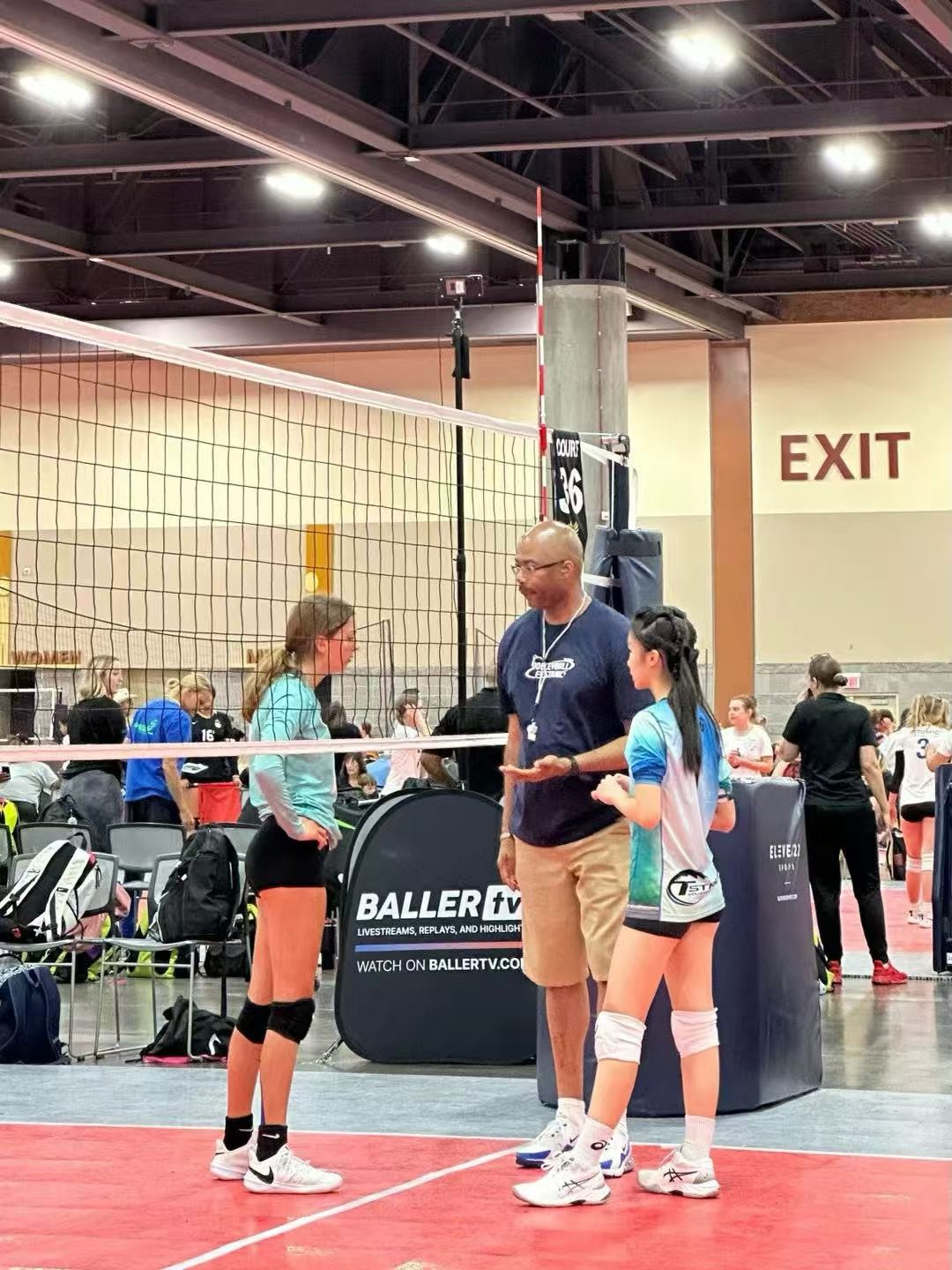
During the school offseason, club training took place three times a week and focused on serving, spiking, passing, blocking, and game situations. Repetition helped turn individual techniques into habits that could hold up at a faster pace. I learned to prepare before the ball reached me, read the developing play, and recover quickly after a mistake. Training also showed me that consistency depends on details such as footwork, timing, body position, and communication, not only effort or athletic ability.
Teamwork Under Pressure
Contributing to the next point
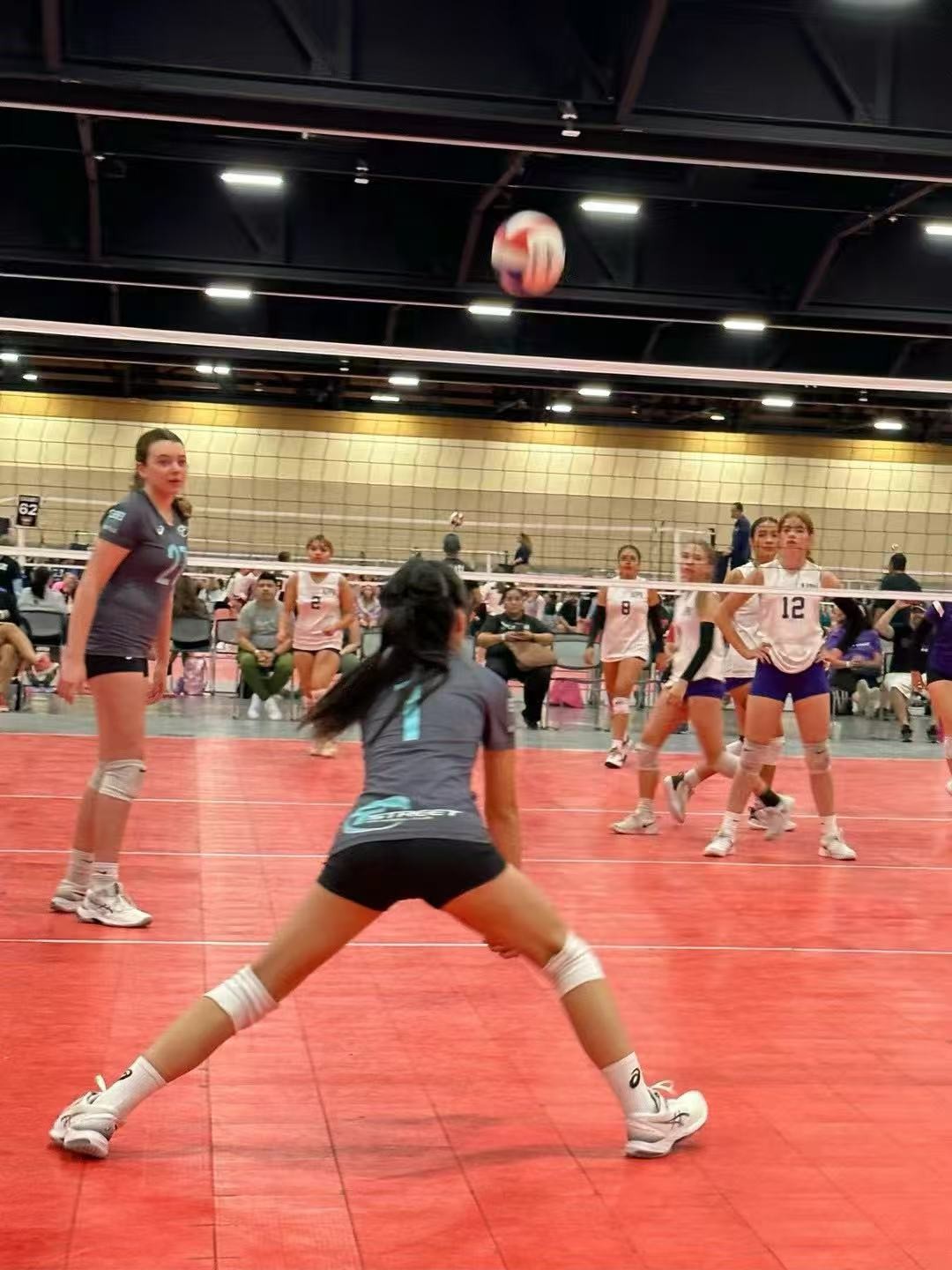
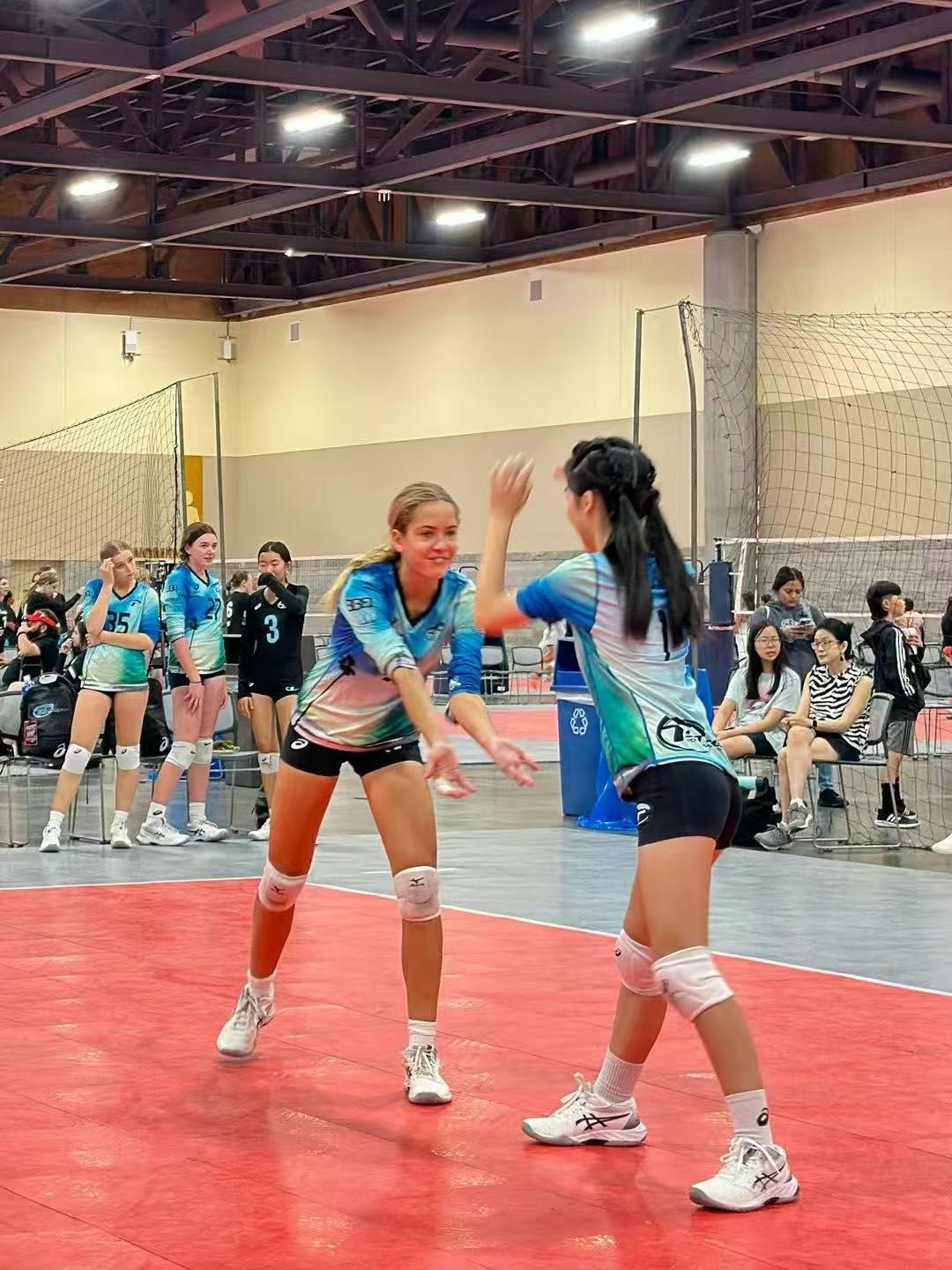
Volleyball made teamwork immediate because every touch changes what the next player can do. A strong play depends on communication before contact, trust during the rally, and a quick reset afterward. I learned that contributing to a team is not limited to scoring. It also means calling the ball, covering space, staying ready when another player is under pressure, and keeping my reaction from affecting the next point. Competitive matches made those habits especially important. When momentum changed, the team had only a few seconds to communicate and recover. I became more aware of how tone, body language, and attention can either stabilize or unsettle a group. This experience helped me understand leadership as a shared behavior: noticing what the team needs, responding reliably, and helping others remain connected to the immediate goal even when the previous play did not go as planned.
Competition & Achievement
Learning to perform when the outcome matters
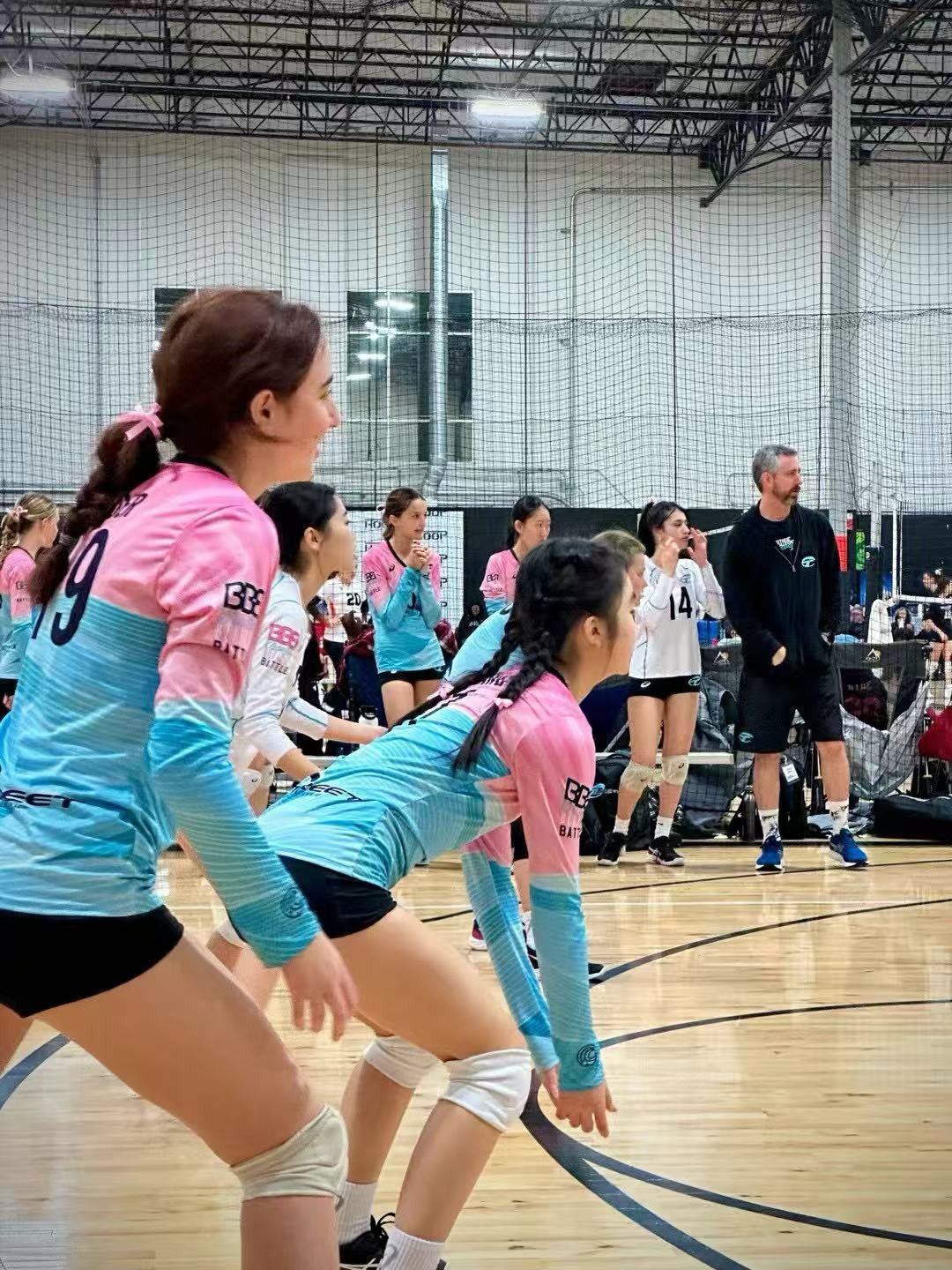
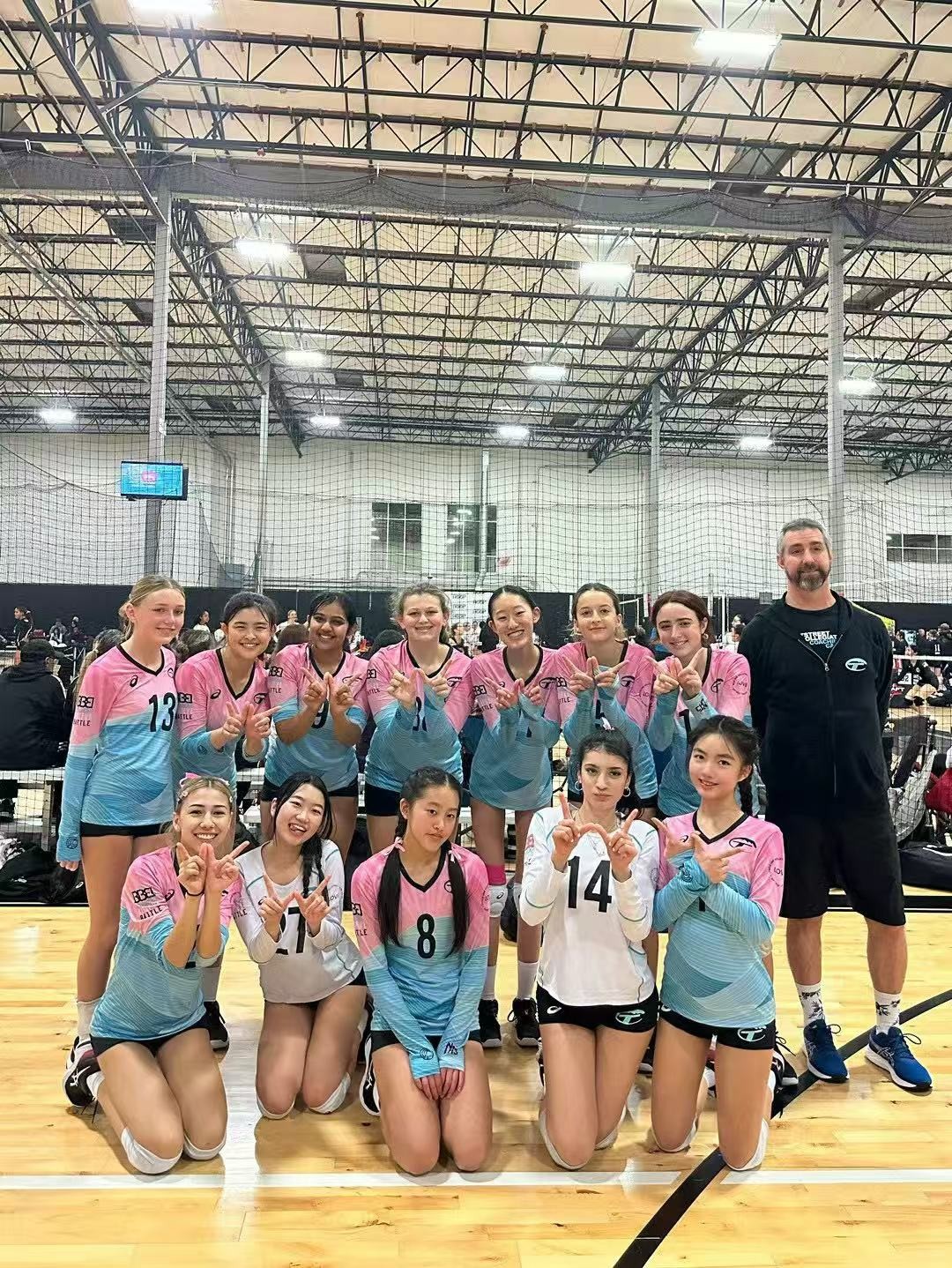
Competing in school and club tournaments gave training a different level of pressure. Matches required quick decisions, emotional control, and trust in preparation when there was no time to correct a technique slowly. Winning a division at the Phoenix Volleyball Festival was meaningful because it reflected the team's ability to stay connected across multiple matches rather than one isolated performance. The result reinforced an important lesson: competitive success is built from repeated communication, recovery, and execution across every point.
What I Learned
Carrying the team mindset beyond the court
Volleyball taught me to separate a mistake from the next decision. I can acknowledge what went wrong without allowing frustration to take over the following play. It also taught me to communicate clearly, prepare consistently, and value contributions that may not be visible in the final score. Those habits now influence how I work in academic and project teams. I try to understand my role, support the people around me, and keep the group moving when pressure or uncertainty interrupts the original plan.
Next project


2026 FAYE
VOLLEYBALL
Four years of training, trust, and teamwork
ROLE
School and Club Volleyball Player
DURATION
October, 2021 - Present
TEAm
Saint Margaret's Junior Varsity
Tstreet Volleyball Club
ACHIEVEMENT
Phoenix Volleyball Festival Division Winner
A Long-Term Commitment
Progress built through repetition
Volleyball has been part of my life for four years across school, club, tournament, and outdoor settings. Improvement rarely arrived through one dramatic moment. It came from repeating the same movement, noticing a small error, and returning to practice with greater control. Training taught me to accept that progress can be uneven: a skill that feels reliable one week may break down under pressure the next. Instead of treating that inconsistency as failure, I learned to use it as information. Playing for Saint Margaret's Junior Varsity and Tstreet Volleyball Club also exposed me to different teammates, coaching styles, and competitive environments. Adapting to each setting made me more attentive to the expectations around me and more responsible for my own preparation. The experience has made persistence feel practical - not simply continuing, but continuing with enough awareness to change how I work.
Training & Skill Development
Building reliability before competition
During the school offseason, club training took place three times a week and focused on serving, spiking, passing, blocking, and game situations. Repetition helped turn individual techniques into habits that could hold up at a faster pace. I learned to prepare before the ball reached me, read the developing play, and recover quickly after a mistake. Training also showed me that consistency depends on details such as footwork, timing, body position, and communication, not only effort or athletic ability.
Teamwork Under Pressure
Contributing to the next point
Volleyball made teamwork immediate because every touch changes what the next player can do. A strong play depends on communication before contact, trust during the rally, and a quick reset afterward. I learned that contributing to a team is not limited to scoring. It also means calling the ball, covering space, staying ready when another player is under pressure, and keeping my reaction from affecting the next point. Competitive matches made those habits especially important. When momentum changed, the team had only a few seconds to communicate and recover. I became more aware of how tone, body language, and attention can either stabilize or unsettle a group. This experience helped me understand leadership as a shared behavior: noticing what the team needs, responding reliably, and helping others remain connected to the immediate goal even when the previous play did not go as planned.
Competition & Achievement
Learning to perform when the outcome matters
Competing in school and club tournaments gave training a different level of pressure. Matches required quick decisions, emotional control, and trust in preparation when there was no time to correct a technique slowly. Winning a division at the Phoenix Volleyball Festival was meaningful because it reflected the team's ability to stay connected across multiple matches rather than one isolated performance. The result reinforced an important lesson: competitive success is built from repeated communication, recovery, and execution across every point.
What I Learned
Carrying the team mindset beyond the court
Volleyball taught me to separate a mistake from the next decision. I can acknowledge what went wrong without allowing frustration to take over the following play. It also taught me to communicate clearly, prepare consistently, and value contributions that may not be visible in the final score. Those habits now influence how I work in academic and project teams. I try to understand my role, support the people around me, and keep the group moving when pressure or uncertainty interrupts the original plan.
Next project
2026 FAYE